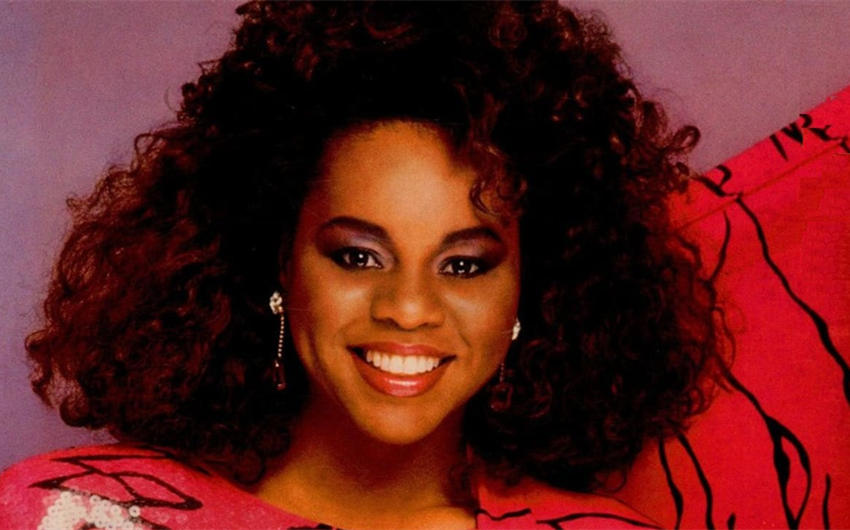
Karrine Steffans: Bio, Books, Superhead Era, Career Reinvention And Where She Is Now
If you’re searching karrine steffans, you’re probably trying to understand the real person behind the headline nickname “Superhead.” She’s a bestselling author, former video model, and pop-culture lightning rod who turned her life story into a business—then spent years trying to reclaim the narrative on her own terms. Her story isn’t just gossip history. It’s also about fame, control, public judgment, and what reinvention looks like when the internet refuses to forget.
Quick Facts About Karrine Steffans
- Full Name: Karrine Steffans
- Also Known As: “Superhead” (nickname tied to early fame)
- Known For: Bestselling memoirs, media personality, former video model
- Most Famous Book: Confessions of a Video Vixen
- Career Lanes: Publishing, entertainment commentary, public speaking, personal branding
- Public Image: Controversial, outspoken, and heavily discussed in hip-hop/pop culture
- Big Theme: Turning public attention into authorship and business—then fighting to be seen as more than a headline
Who Is Karrine Steffans?
Karrine Steffans is a writer and public figure who became widely known in the 2000s after publishing personal memoirs that connected entertainment culture, relationships, and the behind-the-scenes reality of fame. Before she became a bestselling author, she was recognized as a video model and an industry insider—someone who understood how celebrity works from the inside out.
Her name has stayed searchable for one main reason: she exists at the intersection of two powerful things—pop culture and personal confession. People are fascinated by what she revealed, how she revealed it, and how the public reacted. And whether you see her as bold, controversial, misunderstood, or strategic, she’s undeniably part of the modern “tell-all” era that shaped entertainment storytelling.
Why She Was Called “Superhead”
The nickname “Superhead” is one of the biggest reasons her story has been misunderstood. It became a label people used to reduce her to shock value, even when she was trying to frame her life in broader terms—power dynamics, industry behavior, and the complicated choices women make in spaces where visibility is currency.
It’s important to see what that nickname did culturally: it turned a real person into a punchline, and it made it easier for audiences to consume her story without empathy. Whether you like her work or not, you can’t deny that the nickname became a shortcut that erased complexity.
Early Life And How She Entered The Entertainment World
Karrine has described a difficult upbringing in various interviews and writing, including trauma and instability. That background matters because it shapes how you interpret her later choices. People often judge public figures as if they started life with the same support systems, safety, and opportunities. Many don’t.
Her entry into entertainment came through modeling and performance-related opportunities. For many women in the late 1990s and early 2000s, that lane was one of the few ways to break into celebrity-adjacent spaces without traditional gatekeepers. It offered visibility, money, and access—but also created an environment where the lines between opportunity and exploitation could get blurry fast.
The Video Vixen Era And What It Meant Back Then
To understand Karrine Steffans, you have to understand the “video vixen” era. In the height of music-video culture, being featured in major videos was a form of fame. You might not have a microphone, but you had visibility. And in entertainment, visibility can quickly become leverage—if you know how to use it.
That world had its own rules:
- Access mattered more than credentials.
- Image was treated like a job requirement.
- Gatekeepers controlled who got opportunities.
- Rumors could build you up or destroy you overnight.
Karrine didn’t just exist in that world—she later wrote about it. That’s what made her different. Many people lived that culture, but few put it on paper in a way that reached mainstream bookstores.
Confessions Of A Video Vixen And Why It Blew Up
Karrine Steffans’ most famous book, Confessions of a Video Vixen, became a major talking point because it turned a typically whispered topic into a public conversation. The book was marketed as revealing and scandalous, but for many readers, it was also a window into how fame, sex, and power swirl together in entertainment industries.
The reason it blew up wasn’t only the content—it was the timing. Social media wasn’t yet dominating the way it does now, so books and talk shows still held real power over the culture. When a memoir became “controversial,” it could take over the entire entertainment conversation.
Her publishing success proved something simple: there was a huge audience for stories that were raw, direct, and unfiltered—especially when they came from someone the culture wasn’t used to seeing as an author.
How The Public Reacted To Her Success
Karrine’s fame came with a very specific kind of backlash: the kind reserved for women who speak too openly. Even when men in entertainment wrote or rapped about the same topics, the cultural judgment often landed harder on her.
Public reactions typically split into three camps:
- Supporters: People who saw her as brave for telling her story.
- Critics: People who accused her of exploiting celebrity relationships.
- Curious onlookers: People who consumed the drama without caring about the person.
That split created a reality many public figures experience: you become famous, but you lose control of what your name “means” to strangers.
Beyond One Book: Writing As A Career Strategy
One of the most overlooked parts of Karrine Steffans’ story is that she didn’t stop at one headline. She continued publishing and positioning herself as a writer. Whether people agreed with her or not, she proved she could turn attention into a repeatable business model—book deals, interviews, speaking opportunities, and media commentary.
That’s important because it reframes her as an entrepreneur, not just a personality. A lot of people become viral for a moment. Fewer people convert that moment into an actual long-term career with products, publishing, and a brand identity.
Her Public Relationships And Why They Stayed In The Conversation
Karrine Steffans has been linked publicly to several high-profile names in entertainment. For years, the public treated her relationships like a scoreboard—who, when, how famous, how shocking. That attention was part of what made her books sell, but it also trapped her in a narrative she couldn’t fully escape: people started seeing her only through who she was associated with.
If you zoom out, her relationship headlines also reveal something about celebrity culture: the public often refuses to let women be the main character of their own story. The conversation becomes “who she dated,” not “what she built.”
Marriage To Kool G Rap And What People Remember
One of the most discussed chapters in her personal life is her marriage to rapper Kool G Rap. Even that relationship often gets reduced to trivia—dates, headlines, and gossip framing—when the more meaningful point is that she has lived a real adult life outside the “video vixen” label people keep recycling.
When someone’s public image is stuck in one era, any later chapter—marriage, motherhood, changes in values—can get ignored by people who prefer the older storyline. Karrine’s life shows how hard it is to evolve when the public profits from your past.
Motherhood And The Side Of Her Life That Gets Ignored
Karrine has spoken about being a mother, and that part of her story matters because it shifts the frame. Motherhood tends to force priorities to change. It can also change how a person sees their own legacy—what they want their child to learn from their choices, what they regret, what they stand by, and what they want to protect.
But celebrity culture rarely gives women space to be both “controversial” and “maternal” in the same breath. People prefer a simple character: villain, hero, temptress, victim. Real people are all of it at different times, and motherhood is often where the complexity becomes undeniable.
Reinvention Attempts And Why They’re So Hard For Her
Karrine Steffans has spent years trying to reshape her public identity—sometimes through faith-based messaging, sometimes through distancing herself from the Superhead label, sometimes through reframing her past as a cautionary tale rather than a flex.
Reinvention is hard for anyone. It’s harder when:
- the internet treats your past like a permanent tattoo
- your name is linked to a viral-era identity
- people get more entertainment from your old image than your new one
And yet, her continued relevance shows that the public still pays attention—especially when she speaks directly and refuses to disappear.
What Her Story Says About Fame, Shame, And Power
Whether you admire Karrine Steffans or not, her story highlights something uncomfortable about how we treat women in celebrity culture. Fame often comes with a “deal” you didn’t fully negotiate: you get money and attention, but you also become a public object.
Her story also raises bigger questions:
- Who gets forgiven for being messy in public?
- Who gets mocked forever for being honest?
- Who gets called “smart” for monetizing relationships, and who gets called “shameless”?
Karrine has lived those questions, not just debated them. That’s part of why her name still gets searched.
Where Is Karrine Steffans Now?
In recent years, Karrine has kept a lower profile than during her peak headline era, but she hasn’t vanished. She still resurfaces through interviews, commentary, and online conversations—often when people revisit the early 2000s culture and realize how much of it shaped today’s celebrity ecosystem.
The most accurate way to describe her “now” is that she’s in a post-peak fame chapter: less constant visibility, more selective presence, and a continued effort to define herself beyond the nickname that followed her for so long.
The Bottom Line
Karrine Steffans is more than a tabloid-era label. She’s a bestselling author who turned lived experience into publishing success, helped define an era of celebrity confession storytelling, and spent years navigating the complicated aftermath of being publicly reduced to a nickname. Her story is ultimately about reinvention—how you try to become a new version of yourself when the world keeps dragging you back to an old one. Love her, criticize her, or simply study the cultural impact, she remains a major figure in modern entertainment history.
Featured image source: https://theboombox.com/karrine-steffans-where-are-they-now/